Bhakti Yoga
The path of devotion — accessible, joyful, and transformative
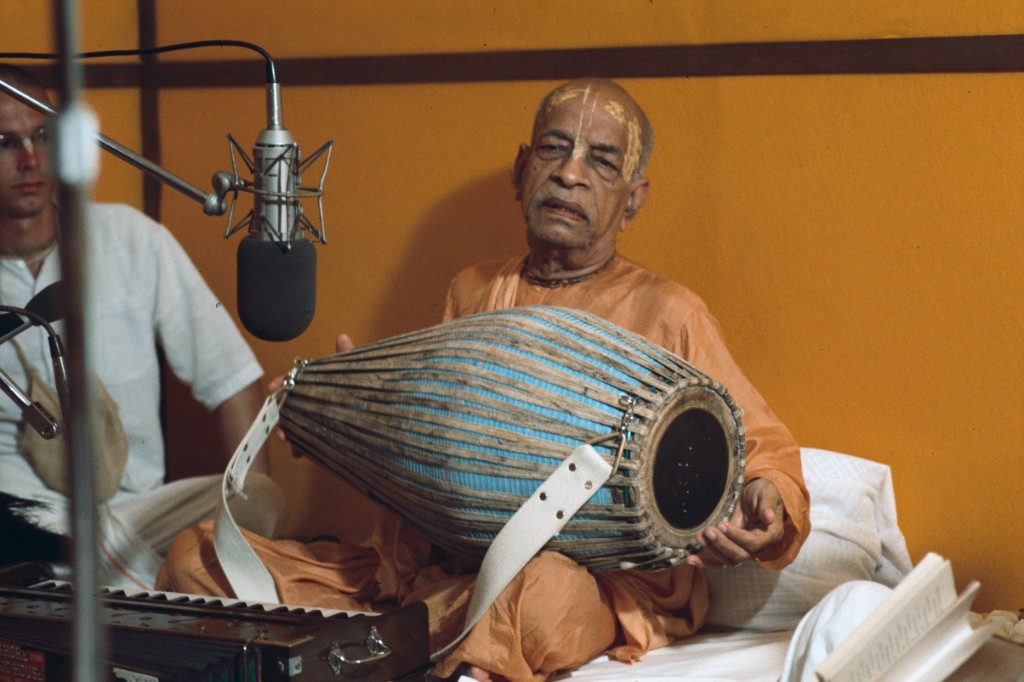
The Path of Devotion
What is Bhakti Yoga?
Bhakti Yoga is described in the Bhagavad-Gita as the highest and most direct path to self-realisation and God-realisation. The Sanskrit word bhakti means "devotion" or "loving service," and yoga means "connection" or "union." Together, Bhakti Yoga means the path of connecting with the Supreme through love and devotional service.
Unlike other yoga systems that focus primarily on the body or mind, Bhakti Yoga works directly at the level of the soul — awakening the natural, dormant love that every living being has for God. It is a yoga for everyone, requiring no special physical ability, age qualification, or prior spiritual experience.
Srila Prabhupada taught that Bhakti Yoga is not a sectarian religion but a science of the self — applicable to all people, in all times and places.
The Hare Krishna Mantra
Sixteen names, thirty-two syllables — the supreme vibration for this age
Hare Krishna Maha-Mantra
O Lord, O energy of the Lord, please engage me in Your devotional service.
Hare
Addresses the energy of the Lord — Hara, another name for Radharani, the Lord's divine potency.
Krishna
The all-attractive Supreme Personality of Godhead — the source of all existence, beauty and bliss.
Rama
The reservoir of all pleasure — referring both to Lord Rama and Balarama, expansions of Krishna.
Why Chant This Mantra?
The Kali-santarana Upanishad, one of the 108 Upanishads of the Vedas, states that the Hare Krishna mantra is the supreme method of self-purification in this age of quarrel (Kali-yuga). Simply by chanting these names with sincerity, the heart is gradually cleansed and spiritual love naturally awakens.
Daily Practice
Chanting Meditation (Japa)
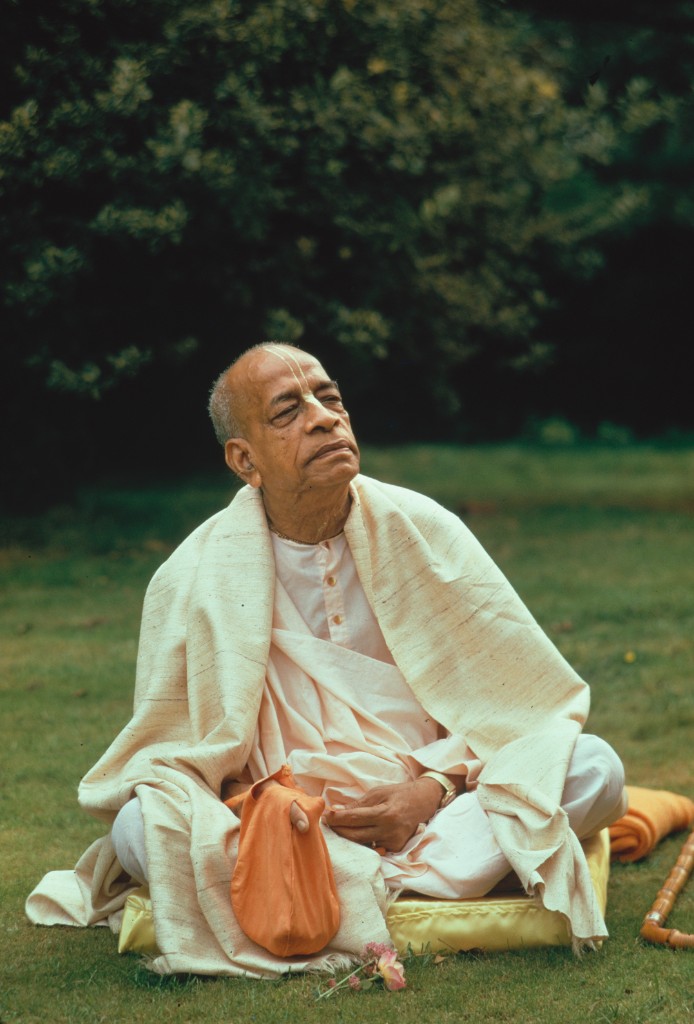
The most personal form of Bhakti Yoga is japa — the quiet, individual chanting of the Hare Krishna mantra on a string of 108 prayer beads (japa mala). Each bead represents one full repetition of the mantra, and one complete round takes approximately five to ten minutes.
Srila Prabhupada recommended chanting a minimum of 16 rounds per day (1,728 repetitions of the mantra), ideally in the peaceful hours of the early morning. This practice cleanses the mind, focuses the consciousness, and gradually awakens pure love for Krishna.
Japa can be practised anywhere, at any time — on the train, in the park, at home, or in a temple. No special equipment is needed beyond the beads and a willing heart.
Benefits of Mantra Meditation
- Reduces stress, anxiety and mental turbulence
- Increases focus, clarity and inner peace
- Awakens a natural sense of happiness and contentment
- Cleanses the heart of unwanted desires and negative patterns
- Connects the individual soul with the Supreme Soul (Krishna)
- Develops qualities of compassion, humility and gratitude
- Can be practised anywhere — no special setting required
- Suitable for all ages, backgrounds and lifestyles
"The chanting of the Hare Krishna mantra is directly enacted from the spiritual platform, and thus this sound vibration surpasses all lower strata of consciousness — namely sensual, mental, and intellectual."— Srila Prabhupada
Modern research also supports the benefits of mantra meditation. Studies have shown reductions in cortisol (the stress hormone), improved concentration, and greater emotional resilience in regular meditators.
The Devotional Lifestyle
Practical guidelines for integrating Bhakti Yoga into daily life
Early Rising
Rise before sunrise (Brahma-muhurta) — the most spiritually potent time of day for meditation and prayer.
Vegetarianism
Follow a compassionate, plant-based diet and offer all food to Krishna as prasadam before eating.
Scripture Study
Read from the Bhagavad-Gita or Srimad-Bhagavatam each day to nourish the mind with spiritual wisdom.
Saintly Association
Spend time with other devotees (sadhu-sanga) — spiritual association is one of the most powerful accelerators of bhakti.